Creator partnerships: What we’ve learned in practice
Creator partnerships: What we’ve learned in practice
Through collaborating with creators to develop content for global brands, we have seen how the right creator partnerships can build trust, relevance, and connection with audiences who may not yet see a brand as part of their world.
We have also learned that the work involves trust and unpredictability, and that it takes strong strategy, clear creative direction, and a lot of coordination behind the scenes to get it right.
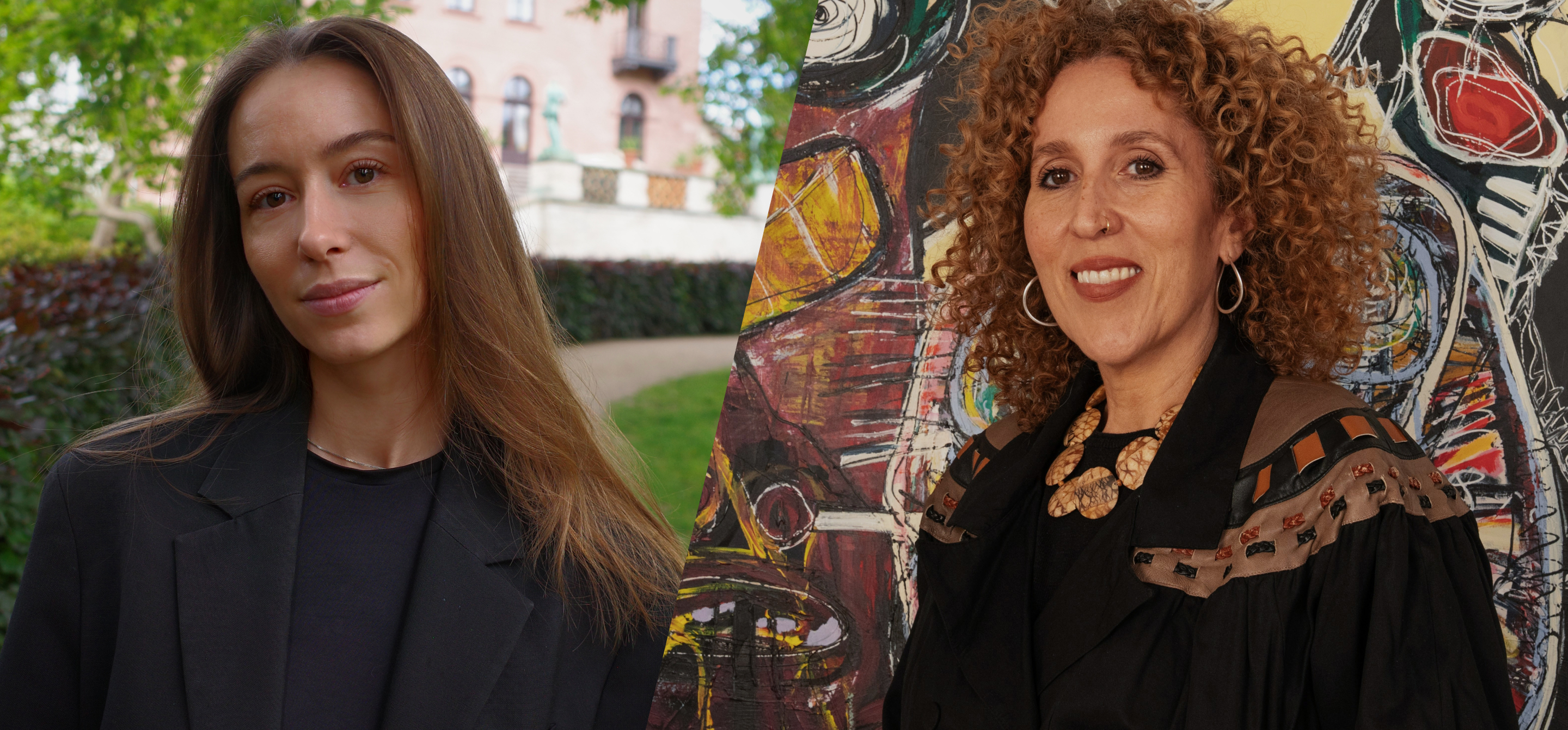
Here, Creative Director Trudy Follwell and Strategist Caroline Weinreich share what they have learned about helping brands make creator partnerships work, from finding the right fit to guiding the collaboration when the process gets complex.
Why work with creators in the first place?
Creator partnerships give brands a way to show up through voices their audience already understands, follows, and trusts.“Creators are translators between brands and communities,” Caroline explains. “They understand the tone, references, humour, and expectations of their audience in a way that a brand often can’t fully replicate from the outside.”
Whether the goal is to make a consumer brand feel more culturally fluent or help a more specialised brand show up in a way that feels relevant and trusted, the opportunity lies in a real-world connection that traditional media content cannot guarantee. “A brand can say something about itself, but when the right creator interprets it in their own voice, it can feel much more human and believable,” Caroline adds.
But the same thing that makes creator campaigns worth the effort is also what makes them difficult to get right. The creator’s relationship with their audience is, as Trudy puts it, “not something you can just borrow for a campaign.” Audiences are quick to tell when content feels forced, and that tension is where strong creator work really begins.
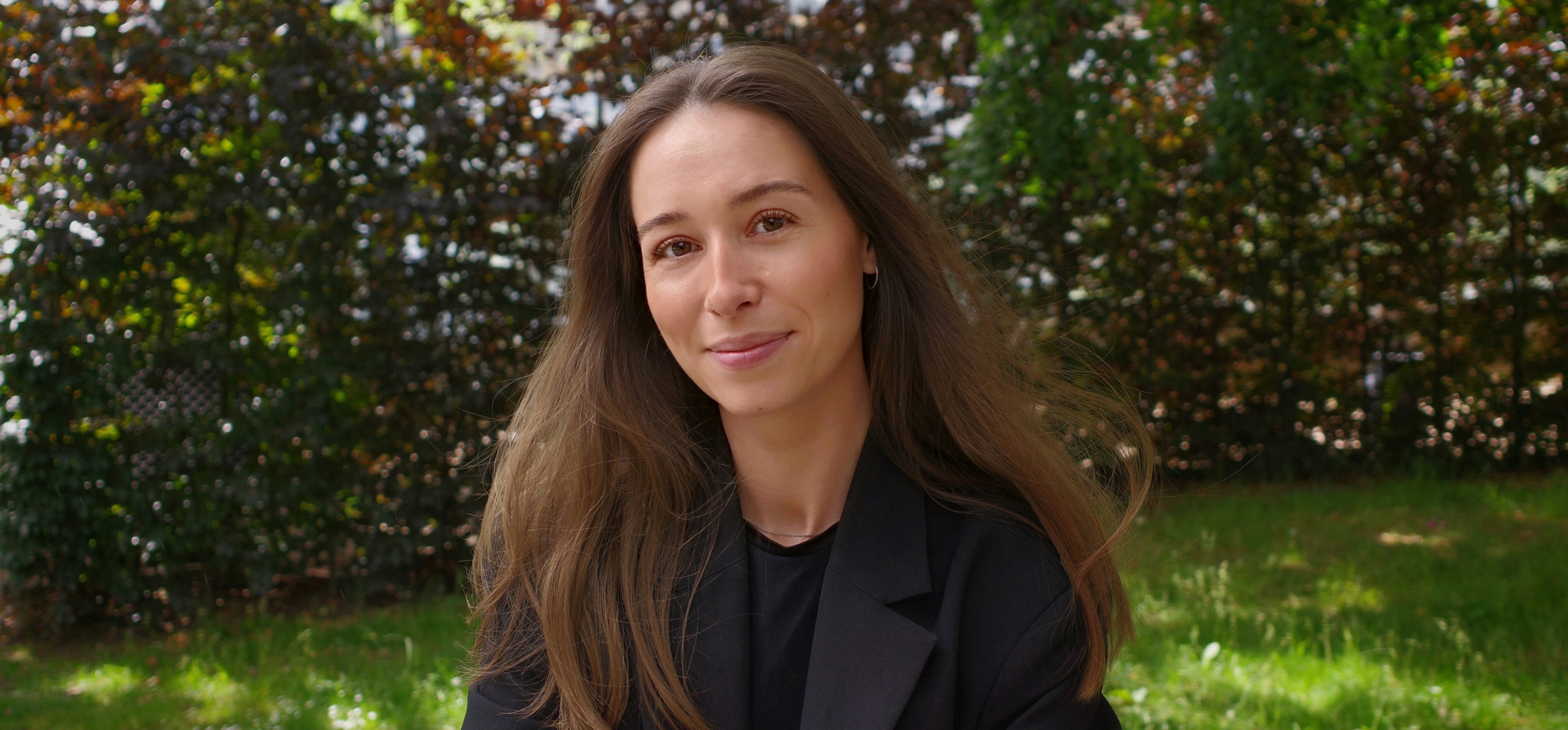
“Creators are translators between brands and communities.”
– Caroline Weinreich, Strategist
What it takes to make it work
Strong creator partnerships require the right balance of strategy, direction, and creative interpretation. “Strategically, it’s about being clear on who you want to reach and why creators are the right way in,” Caroline says. “Operationally, you need to be ready for a fairly complex process with multiple stakeholders, timelines, and feedback loops.”
For Trudy, creative guidelines need to be in place from the start, giving creators a clear sense of direction without overshadowing the voice that makes the collaboration valuable in the first place. “Freedom alone doesn’t guarantee quality,” she says. “It needs a point of view to respond to.”
That clarity also makes collaboration easier further into the process. Instead of handing over a brief and hoping the result lands, it gives both sides something to build from as the content takes shape. As Caroline puts it: “The best creator work doesn’t come from tight briefs, it comes from strong co-creation.”
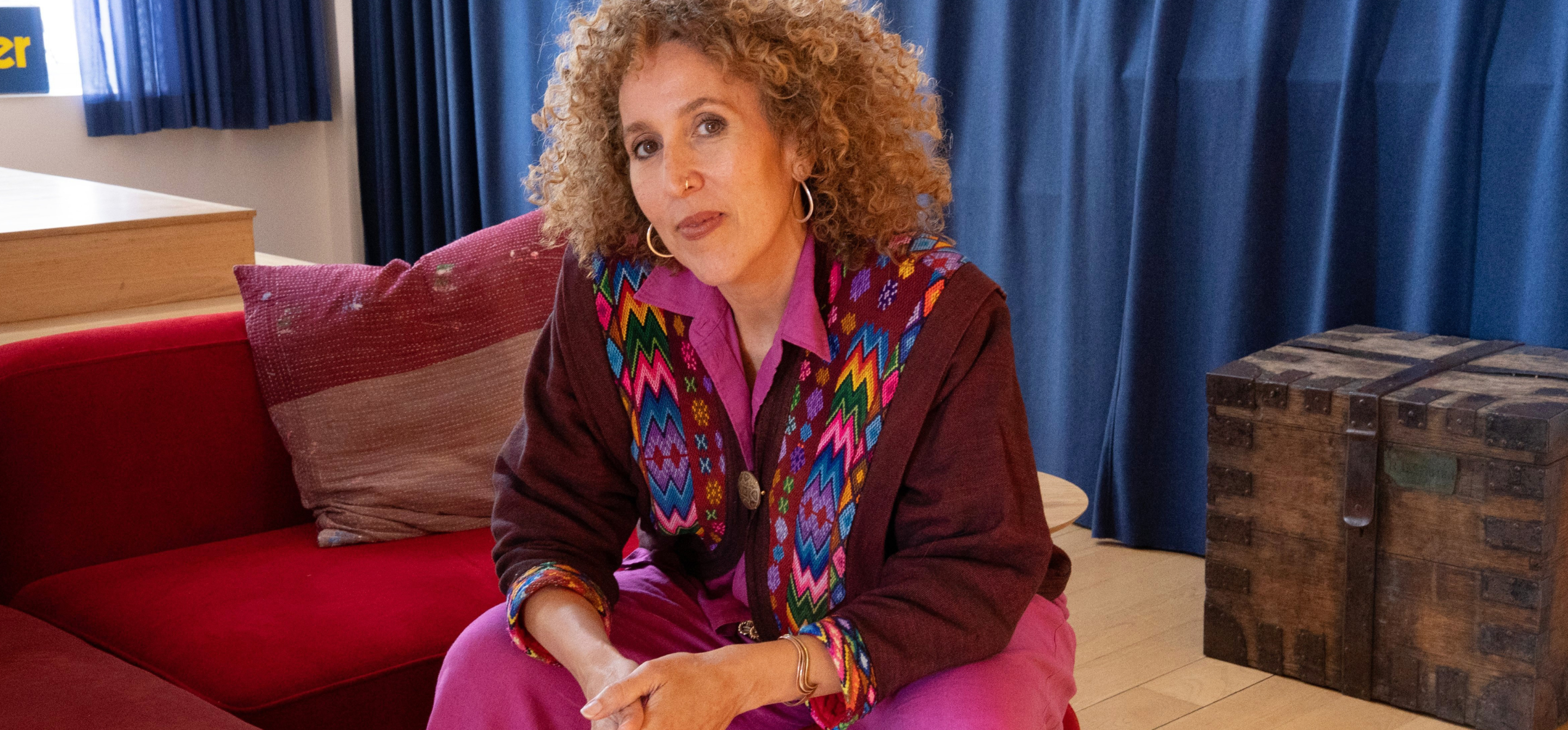
“Freedom alone doesn’t guarantee quality. It needs a point of view to respond to.”
– Trudy Follwell, Creative Director
Where judgement matters most
Even with the right strategy, clear guidelines, and a strong co-creation process, creator work does not always move in a straight line. “You’re working with people, not just platforms, and the process can be unpredictable,” Trudy says. “We’ve had cases where everything looked good on paper, but the process was difficult and the energy felt off.”
“You’re also navigating a constantly changing landscape,” Caroline says. “Platforms evolve, trends come and go quickly, and audience expectations shift all the time.”
This is why instinct and experience matter, especially when choosing who to work with in the first place. “Choosing the right creator is part data, part experience, and part instinct,” Caroline says. “I look for people who feel genuine, kind, and truly connected to their audience.”
“Choosing the right creator is part data, part experience, and part instinct.”
– Caroline Weinreich, Strategist
For Trudy, that makes the process feel closer to casting than media planning. “You can usually sense quite quickly whether someone is going to be a good fit, not just for the brand, but also for the way you want to work,” she says. “Are they collaborative? Do they understand what we are trying to do? Does this feel like a natural match?”
And even when the fit is right, the work still depends on judgement. “A lot of it sits in the grey areas,” Trudy says. “It is quite hard to articulate what ‘good’ looks like when you are briefing creators, and even harder to give feedback when something feels off but is not obviously wrong.” A choice in lighting, angle, tone, or execution might weaken the content, but challenging it means navigating the line between creative standards and creator ownership.
Ultimately, the work is not just about following a process. It is about knowing when to trust it, when to ask questions, and when to step in.
Five lessons learned in practice
Trudy and Caroline agree that the strongest creator campaigns are shaped by the decisions behind the scenes: setting the right strategic foundation, defining the creative direction, choosing the right creator, and managing the collaboration as it unfolds.
For brands, that means having people close enough to protect the idea, guide the process, and know when to step in without taking over. As Trudy puts it: “Creator marketing works. It is just messier, more unpredictable, and more human than people admit.”
For brands looking to work with creators, Trudy and Caroline’s takeaways are clear:
1. Start with fit, not just reach.
2. Trust your instinct as much as your data.
3. Be specific in your thinking, not restrictive in your briefs.
4. Define what good looks like early on.
5. Plan for complexity, even when it looks simple.